How Much Does Tree Removal Cost in El Monte, CA? Complete 2026 Pricing Guide
How Much Does Tree Removal Cost in El Monte, CA? A Complete Pricing Guide
If you’re planning to remove a tree from your property, one of the first questions you’ll likely ask is, “How much does tree removal cost in El Monte, CA?” The answer isn’t always straightforward because every property, tree, and removal project is different. Factors such as tree size, species, location, accessibility, condition, and emergency circumstances all influence the final cost.
For homeowners and business owners in El Monte, investing in professional tree removal isn’t just about improving curb appeal, it’s also about protecting people, structures, vehicles, and nearby utilities. A damaged, diseased, or unstable tree can quickly become a safety hazard, especially during Southern California’s windy conditions or seasonal storms.
This guide explains how tree removal pricing works, what affects the overall cost, when permits may be required, and how to choose a qualified contractor. Whether you’re dealing with a towering eucalyptus, a mature oak, an aging palm tree, or a storm-damaged tree, you’ll have a better understanding of what to expect before requesting an estimate.
If you’re looking for professional tree removal in El Monte, this guide will help you make an informed decision. Learn more about our professional tree removal services in El Monte, CA or explore our complete tree service solutions for residential and commercial properties.
Why Tree Removal Costs Vary in El Monte, California
Many homeowners expect tree removal to have a standard price, but no two projects are identical. Professional tree companies evaluate numerous factors before preparing an estimate.
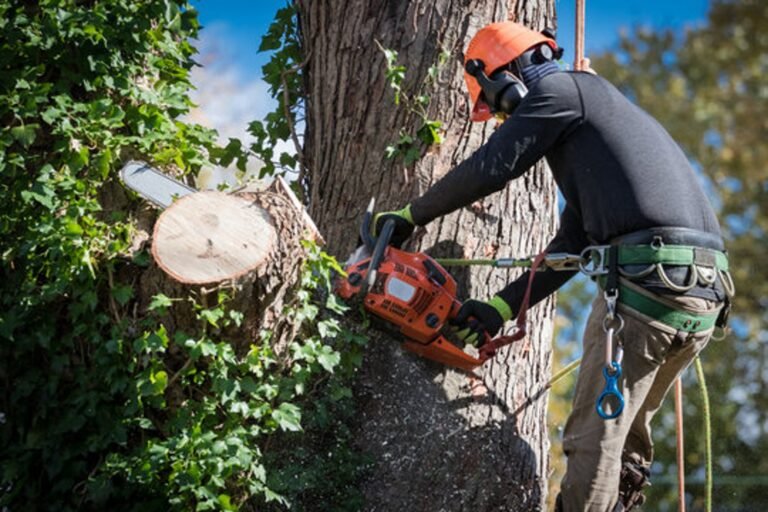
Some removals can be completed in only a few hours using basic climbing equipment, while others require cranes, traffic control, specialized rigging systems, or multiple crew members.
Professional estimators typically consider:
- Tree height
- Trunk diameter
- Tree species
- Tree health
- Accessibility
- Nearby homes or buildings
- Fences and landscaping
- Utility lines
- Required equipment
- Debris disposal
- Stump removal
- Permit requirements
- Emergency scheduling
Because every property is unique, reputable contractors usually recommend an on-site inspection before providing an accurate quote.
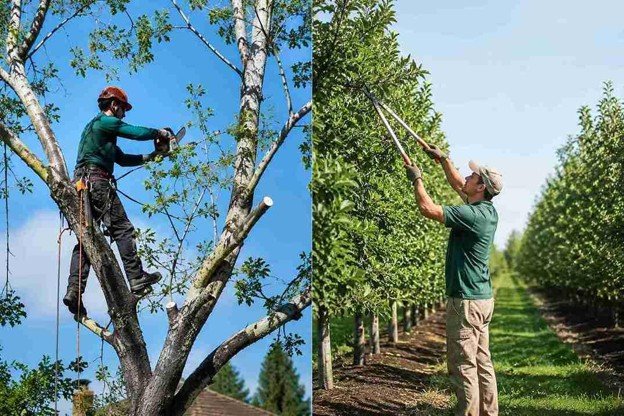
For homeowners comparing multiple estimates, it’s important to understand what is included, not simply the total price. Many tree removals can actually be avoided through proactive maintenance. Our professional tree trimming and pruning services help improve tree health while reducing the likelihood of costly emergency removals later.
The Biggest Factors That Affect Tree Removal Pricing
Tree Size
Tree height is usually one of the largest pricing factors.
Smaller ornamental trees require considerably less labor than mature shade trees that may exceed 60 or 80 feet.
Larger trees generally involve:
- More climbing
- Additional rigging
- Longer cutting times
- More debris
- Larger equipment
As tree size increases, so do labor requirements and safety considerations.
Tree Species
Not all trees are equally difficult to remove.
Common species throughout El Monte include:
- Oak
- Pine
- Palm
- Eucalyptus
- Ficus
- Ash
- Sycamore
- Pepper trees
Each species presents different challenges.
For example:
- Dense hardwoods may require more cutting time.
- Tall palms often require sectional dismantling.
- Eucalyptus trees can become extremely heavy and unpredictable after storms.
The species itself can influence both equipment needs and project duration.
Tree Location
Location may have an even greater impact than size.
A tree growing in an open front yard is generally easier to remove than one positioned:
- Between two homes
- Behind a swimming pool
- Next to a garage
- Near a retaining wall
- Above landscaping
- Over a roof
Limited access often means crews must dismantle the tree one section at a time instead of safely felling it in one direction.
This increases labor and planning.
Tree Condition
The condition of the tree also matters.
Healthy trees behave differently than those that are:
- Dead
- Hollow
- Leaning
- Decaying
- Insect damaged
- Storm damaged
Dead trees often become brittle, making removal more hazardous.
Trees weakened by disease may require slower, more controlled dismantling to reduce the risk of unexpected branch or trunk failure. If you’re unsure whether your tree should be removed or simply maintained, our experienced tree removal specialists can evaluate its condition and recommend the safest solution for your property.
Is Crane Equipment Ever Necessary?
Many homeowners wonder whether crane-assisted tree removal is reserved only for commercial projects.
In reality, cranes are often used on residential properties when conditions make traditional climbing unsafe or impractical.
A professional tree company may recommend crane assistance when:
- A tree towers over a home
- Large limbs extend above neighboring properties
- Limited drop zones exist
- Access for conventional rigging is restricted
- The tree has become structurally unstable
Although crane work can increase project costs, it often reduces overall project risk and may allow crews to complete difficult removals more efficiently.
Every project is evaluated individually to determine the safest removal method.
How Long Does Tree Removal Usually Take?
Another common question homeowners ask is how long the removal process takes.
The timeline depends on several variables, including:
- Tree size
- Number of trees
- Weather conditions
- Accessibility
- Equipment
- Cleanup requirements
Smaller trees may be removed within a few hours, while large trees located near homes or power lines can require a full day or longer.
Palm trees deserve special consideration because they are removed differently than traditional hardwood trees. Extremely tall palms often require sectional dismantling from the top down before the trunk is removed in manageable sections.
Professional crews also spend time cleaning the work area, processing branches through wood chippers, loading logs, and ensuring the property is left in a safe condition.
While speed is important, experienced contractors prioritize safety and precision over rushing a complex removal. If your tree has become dangerous after high winds or severe weather, our 24-hour emergency tree service professionals can respond quickly to assess the situation and safely remove hazardous trees.
Do You Need a Permit to Remove a Tree in El Monte?
One of the most common questions homeowners ask before scheduling tree removal is whether they need a permit. The answer depends on several factors, including the tree’s species, size, location, and whether local regulations apply.
Some trees may be protected because of their size, historical significance, or environmental value. Others may be located within easements, near public rights-of-way, or on commercial properties where additional requirements exist.
Before scheduling any removal project, it’s a good idea to:
- Check with the City of El Monte regarding current tree regulations.
- Verify whether your homeowners association has landscaping restrictions.
- Confirm whether utility companies need to be involved if power lines are nearby.
- Discuss permitting requirements with your tree service provider before work begins.
A reputable contractor can often help determine whether permits or inspections may be necessary before work begins.
If you’re dealing with a hazardous tree that poses an immediate safety risk, emergency circumstances may require a different process than routine removals.
If your tree is dead, structurally compromised, or creating a safety concern, our professional tree removal services serving El Monte homeowners can evaluate the tree and explain the safest removal options.
Who Is Responsible for Trees on Private Property?
Many homeowners wonder whether the city will remove trees growing on private property.
In most situations, property owners are responsible for maintaining trees located on their own land. That responsibility includes:
- Routine pruning
- Hazard inspections
- Removing dead trees
- Addressing diseased trees
- Preventing dangerous limbs from falling
If a tree extends across neighboring property lines or interferes with public infrastructure, additional legal or municipal considerations may apply.
When questions involve shared property boundaries or overhanging branches, homeowners should verify current local regulations before taking action.
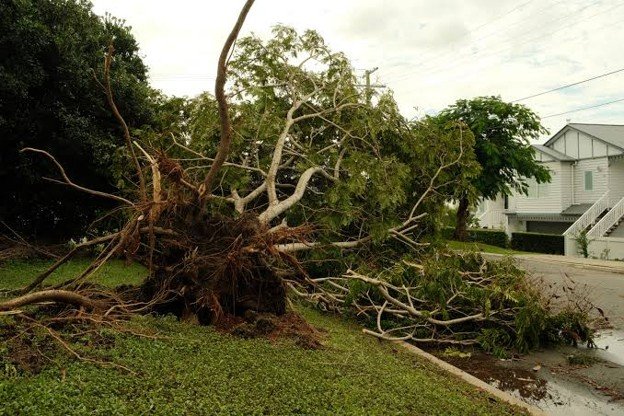
Emergency Tree Removal After Storm Damage
Although El Monte doesn’t experience hurricanes, Southern California is no stranger to:
- Santa Ana winds
- Heavy winter rainstorms
- Wind-driven branch failures
- Lightning damage
- Vehicle impacts
Emergency tree removal focuses on making dangerous situations safe as quickly as possible.
Professional crews commonly respond to:
- Trees leaning toward homes
- Fallen trees blocking driveways
- Broken limbs hanging overhead
- Storm-damaged palms
- Trees resting on fences
- Trees threatening structures
If a tree falls onto a house or blocks emergency access, contacting a qualified emergency tree service should be a priority.
If you need immediate assistance after storm damage, our emergency tree service team in El Monte is equipped to safely remove dangerous trees, hanging limbs, and storm debris.
How Do You Know if a Leaning Tree Is Dangerous?
Not every leaning tree requires removal.
However, sudden leaning or visible structural changes should never be ignored.
Warning signs include:
- Fresh soil movement around the base
- Exposed roots
- Large trunk cracks
- Splitting branches
- Hollow trunk sections
- Rapid changes after storms
If any of these symptoms appear, having the tree professionally inspected can help determine whether pruning, cabling, or removal is the safest option.
Can Trees Near Power Lines Be Removed Safely?
Yes, but only under the proper conditions.
Trees growing near energized electrical lines require specialized planning and strict safety procedures.
Professional tree crews evaluate:
- Clearance distances
- Utility ownership
- Access limitations
- Equipment requirements
- Safe removal methods
Homeowners should never attempt to trim or remove branches touching energized power lines.
If a tree has already fallen onto utility lines, contact the appropriate utility provider immediately before approaching the area.
Why Hiring an Insured Tree Service Matters
Tree removal is one of the most hazardous forms of outdoor construction work.
Chainsaws, climbing equipment, cranes, heavy logs, and elevated work all introduce significant risks.
Before hiring any contractor, ask whether they carry:
- General liability insurance
- Workers’ compensation insurance
- Appropriate business licensing where required
Choosing an uninsured contractor may expose property owners to unnecessary financial risk if accidents, injuries, or property damage occur during the project.
A written estimate should clearly outline:
- Scope of work
- Cleanup responsibilities
- Debris removal
- Stump grinding (if included)
- Estimated completion timeline
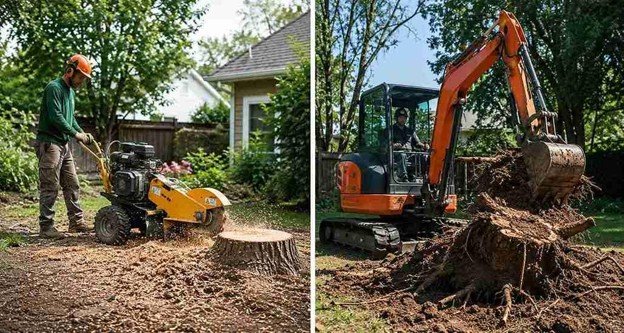
Understanding Stump Grinding Costs
Many homeowners choose to remove the stump after a tree has been cut down.
Leaving a stump behind can:
- Reduce usable yard space
- Create mowing obstacles
- Attract insects
- Produce unwanted sprouts
- Become a tripping hazard
Professional stump grinding removes the visible stump by grinding it below ground level.
Pricing generally depends on:
- Stump diameter
- Root flare size
- Tree species
- Accessibility
- Number of stumps
- Desired grinding depth
After a tree has been removed, many homeowners choose our professional stump grinding and stump removal services in El Monte to restore usable yard space and improve the appearance of their landscape.
What Happens During the Stump Grinding Process?
Although every property is different, the process usually includes:
- Inspecting underground utilities when necessary.
- Clearing rocks and debris around the stump.
- Positioning the stump grinder safely.
- Grinding the stump below the soil surface.
- Cleaning the work area.
- Discussing options for backfilling or replanting.
Grinding removes the visible portion of the stump while allowing homeowners to restore landscaping more quickly.
Comparing Tree Removal Estimates
If you’re requesting estimates from multiple companies, avoid choosing solely based on the lowest price.
Instead, compare what each proposal includes.
Ask questions such as:
- Is debris hauling included?
- Will the stump be removed?
- Is cleanup included?
- Will wood be cut into firewood lengths?
- Are permits handled if necessary?
- Is emergency service available?
- What equipment will be used?
- Are there additional charges for crane work?
A detailed estimate provides a much better basis for comparison than price alone.
How to Get a Free Tree Removal Estimate in El Monte
The most accurate estimates begin with an on-site inspection.
During a consultation, a tree professional typically evaluates:
- Tree condition
- Height
- Access
- Nearby structures
- Utility lines
- Equipment requirements
- Cleanup expectations
This allows the contractor to provide recommendations tailored to your property rather than relying on generalized pricing.
At CanopyQuest Tree Care, we encourage homeowners to ask questions during the estimate process so they fully understand the recommended work, available options, and factors influencing project costs. You can also visit our El Monte Tree Service Resource Center for additional guides, service information, and homeowner resources.